Welcome to BKay’s Brain! This is where it led me today….
Here’s a thought I didn’t expect to have in 2025: maybe the 18th Amendment wasn’t the wildest idea after all. Okay—not because I want to go full Carrie Nation and start smashing up bars with a hatchet. But because, look around. The economy is spiraling. The price of groceries requires a side hustle. And half of us are self-medicating with the same substance that tanked the liver of a nation a century ago.
So yeah, I’ve been thinking about prohibition. Not nostalgically, not even seriously. Just… cosmically. What if it never ended? What if alcohol remained illegal, banned, and taboo—like a relic from the moral imagination of the 1920s that somehow made it past the jazz age and into our dystopian TikTok scroll?
And what if we actually… liked it?

But It Was Supposed To Save Us
We always talk about prohibition like it was a glitch. A temporary lapse in national judgment. A 13-year oopsie that gave us bathtub gin and mobsters in fancy hats. But back then, it was pitched as a public health intervention. Supposed to fix domestic violence, workplace injuries, poverty, corruption, broken families, and the wayward souls of American youth.
Except… it wasn’t just about any of those things. I mean, it was. But also, let’s be real—it was racism. Maybe not in the overt, billboard-sized way we understand it in 2025, but it’s glaring in hindsight. Alcohol was strategically tied to immigrants, Black communities, “urban disorder,” and basically anyone who didn’t fit a white Protestant mold. It wasn’t just about health—it was about control.
And don’t even get me started on what came after. The War on Drugs. “Just Say No.” The utter failure of the DARE program.
Honestly, I think prohibition got repealed not because it failed the people—but because it worked too well for everyone but the people. The wrong people were making money. The right people—read: rich, connected, powerful types—weren’t getting their cut. Some bootlegger in a pinstripe suit had the nerve to build an empire without tipping a politician. Imagine the robber barons throwing tantrums because organized crime figured out capitalism better than they did.
And yet… look at the reasons prohibition was sold to the public. They’re still on our list of unsolved problems. We still have domestic violence. We still have addiction. We still have poverty and corruption and broken systems. We just accepted the drink as part of the package.
Instead, we traded moonshine for marketing. Alcohol didn’t go away—it went legit. We cleaned it up, taxed it, branded it, and now we celebrate its existence with wine-themed dish towels and cocktail emojis. No shade, until this year I was a “Live, Love, Drink Wine” kind of lady, too. (Okay, more like boxed wine and chaotic energy, but still.)
The World That Could’ve Been
But what if that hadn’t happened? What if booze stayed banned, but instead of turning into a permanent black market, society actually adapted?
Imagine this: You’re in a bar, but it’s not a bar. It’s a social tonic café. You order a fermented rosemary shrub with a hint of turmeric and peer-reviewed benefits for your gut microbiome. Happy hour features lavender fizz and oat milk espresso spritzers. Your coworker gets a little too loose on mood-enhancing adaptogens and texts their ex. Some things never change.
Instead of Budweiser and Coors, there are regional kava cooperatives. Instead of liquor stores, we have herbal dispensaries. Sober is no longer a brave lifestyle choice—it’s just life.

And let’s say the government actually reinvested all that missed booze tax into housing, healthcare, and schools. (Okay, now I’m dreaming.) But maybe, just maybe, without alcohol’s constant omnipresence, we wouldn’t need so many resources to clean up after it. Less liver disease. Fewer DUIs. Fewer “I was drunk” excuses.
New Vices, Same Need
Of course, something else might have filled the void. We’re human. We self-soothe. Maybe cocaine corner cafés would’ve popped up. Maybe we’d have Craft Kush billboards instead of IPA launches. Or maybe prohibition’s continued enforcement would’ve been just another tool of surveillance and state violence, disproportionately harming the same communities that were over-policed the first time around. Actually, that part feels inevitable.
Still. It’s kind of fun to imagine a world where the villain wasn’t always the drink in your hand, but maybe… the reasons you needed it.
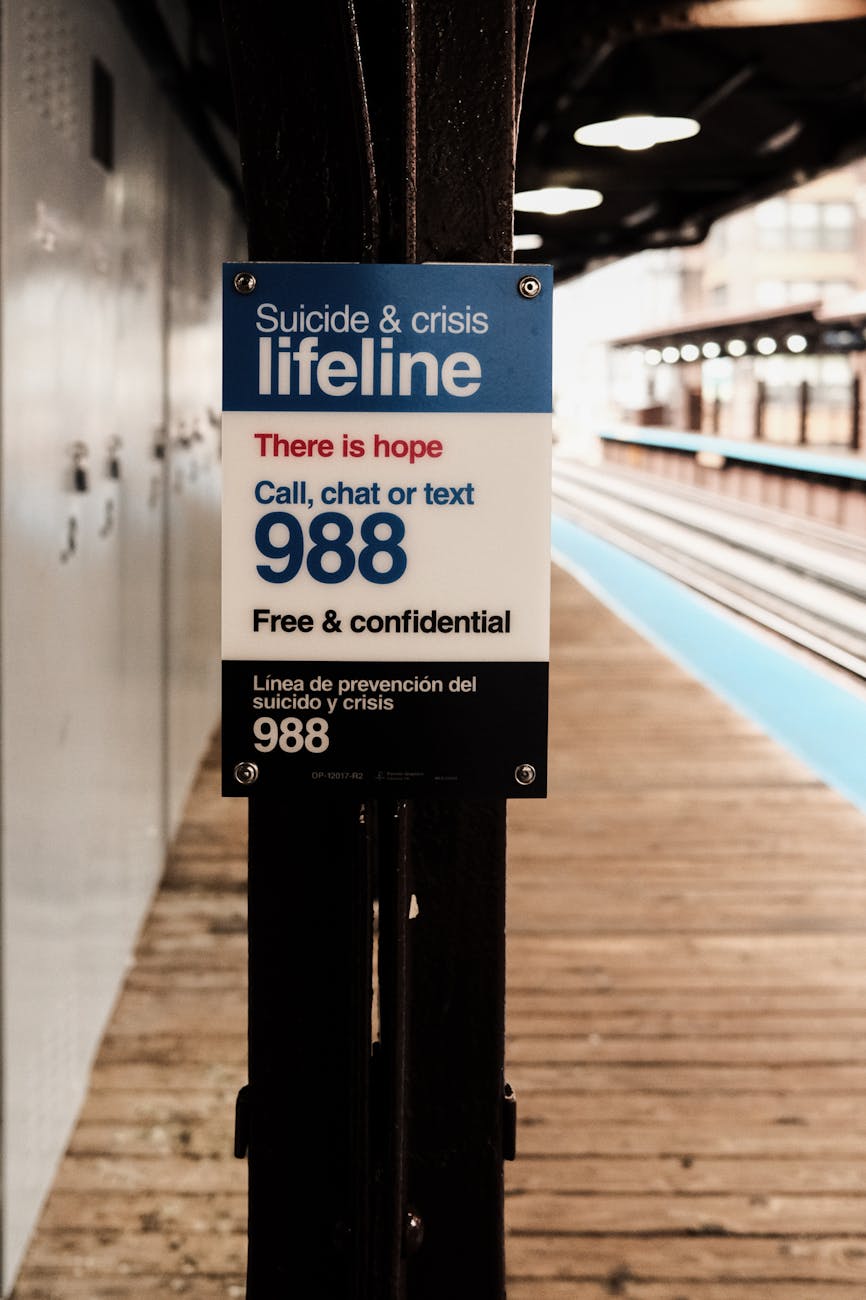
Meanwhile, in This Economy…
So here we are. Everything’s more expensive. Everything’s more exhausting. And every headline reads like a parody of itself. Maybe prohibition never stood a chance. Or maybe it ended too soon.
And while I’m not drinking right now—for reasons that are financial, personal, and a little bit survival-related—it’s not because I think alcohol is evil. I really don’t. I’ve had fun with it, I’ve used it to connect, to numb, to celebrate, to survive. I’m not throwing shade at anyone sipping a hard cider at the end of a long week. I’m right there with you—just maybe holding a cup of chai tea instead.
This isn’t about moral superiority. It’s about curiosity. About imagining a different version of history, one that still would’ve had problems (because, hello, we’re people), but maybe different ones.
Would the world be better without alcohol? I don’t know. Maybe some things would be. Maybe others wouldn’t. But it’s interesting to think about—especially when things are feeling particularly bleak and your usual coping mechanism isn’t available.
So instead of pouring a drink, I poured this thought spiral into a document. And apparently, that means writing about 1920s moral policy while sipping a cold cup of water, listening to the rain, and stress-scrolling BlueSky. Because who needs whiskey when you’ve got imagination and inherited economic anxiety?
Cheers. (With juice.)
Support, Spirals & Staying Weird
If you made it this far, you’re the real tonic in my tea. I write about speculative history, policy weirdness, and the soft chaos of trying to make sense of modern life—usually while overthinking and undercaffeinated.
Want more strange takes, systems poking, and spirals through the in-between? Find me at bkaysbrain.com, or follow along on Substack, Ko-fi, or wherever algorithms haven’t yet fully taken over.
If you want to support my work, feed my brain a sweet treat here: ko-fi.com/bkaysbrain. No bathtub gin required. Just curiosity, connection, and maybe a little fermented fruit juice—purely for the antioxidants.

 Welcome to BKay's Brain
Leave a comment