aka: How My Brain Went from Flash Sale Ink to Barbershop Therapy Real Quick
The Weekend That Sparked It All
Every September, my core group of best friends (there are five of us) gets together for what we call BFF Day—ourversary weekend. It’s our chosen family tradition. One of us takes the lead every year, planning the weekend and setting a theme. We always take a group photo. We always eat too much. We always bring little gifts. We are, collectively, a joyful chaos of love, snacks, and inside jokes.
A couple of years ago, we pushed our usual September date to October so we could celebrate on Friday the 13th. Spooky. Fun. On theme. The planner for that year found a local tattoo shop doing a Friday the 13th flash sale—cheap tattoos, first come first served. Naturally, we were in.
We each chose little ghost designs. (I’m using nicknames here to keep my people’s privacy.) Mine is a ghost in space with an astronaut helmet on. The Love of My Life got a ghost reading. Mermaid Hair got one blowing bubbles from a tiny wand. Each ghost was different, but each one felt like us: a little haunted, a little weird, a little wonderful. That was enough.

At some point while we were all picking out our little ghosts, Love of My Life made an offhand comment—something like, “Getting tattoos is my therapy.”
And that’s something I’ve heard a lot of people say over the years. I get it. There’s meaning, ritual, control, permanence. But if I’m being real? I don’t feel that way. I like my tattoos, but to me? That stuff burns. And itches. Therapy, it is not. (Not for me, anyway.)
Still, the comment got my brain churning. What is it people are really saying when they say that? That it’s expressive? Reclaiming? Connected to healing in some way?
So then I started wondering…
Is there such a thing as trauma-informed tattooing?
Spoiler: there is. And it’s fascinating. (More on that in a minute.)
And since this is BKay’s Brain, let me toss in a side story that still makes me laugh: while we were waiting, I realized one of the artists looked super familiar. I turned to the receptionist and joked, “I went to school with that guy—but he definitely doesn’t remember me.”
From the back of the shop, without missing a beat, he looked up and said:
“Of course I remember you, Britney Kay Vachon.”
My full government name. OUT LOUD. In front of everyone.
Hahahah. Okay, fair. Hopefully he remembered me for good reasons.
Turns out it was him—we went to elementary through high school together—and he ended up being the one who did my tattoo. Which was honestly perfect.
And that’s when it hit me:
Maybe this is what trauma-informed care can look like, too.
The Thought That Wouldn’t Let Go
I’ve heard so many people call tattooing a form of therapy. And while it’s not literally therapy (unless it’s being done in a clinical context with trained professionals), there is something therapeutic about it for a lot of folks. It’s intimate. It’s physical. It’s lasting. Sometimes it’s done over hours, days, even years for large pieces. And when it’s done with kindness and consent, it can feel like reclaiming something.
So I started wondering… is there such a thing as trauma-informed tattooing?
Turns out, yes. There are entire communities of artists who are explicitly trauma-informed. Some focus on scar cover-ups—from surgeries, from self-harm, from abuse. Some offer longer sessions with built-in breaks, or take extra time to ensure a neurodivergent client isn’t overwhelmed by sensory overload. Some make space for stories to be shared—or not shared. All of it is grounded in consent, transparency, and care.

Trauma-Informed Tattooing: Ink as a Pathway to Healing
Trauma-informed tattooing is an evolving practice that recognizes the tattooing process as a potential avenue for healing. This approach emphasizes creating a safe, respectful, and empowering environment for clients, particularly those with trauma histories.
Key Principles:
- Informed Consent: Ensuring clients are fully aware of the process, potential triggers, and have the autonomy to make decisions about their bodies.
- Client-Centered Approach: Prioritizing the client’s comfort, needs, and boundaries throughout the tattooing process.
- Awareness of Triggers: Being cognizant of potential sensory triggers (e.g., sounds, smells) and adjusting the environment accordingly.
- Empowerment Through Choice: Allowing clients to have control over aspects like design, placement, and timing, which can be particularly empowering for those reclaiming agency over their bodies.
Artists like Tamara Santibañez have been at the forefront of this movement, advocating for tattooing as a form of liberation work. Their initiatives, including the development of a “Client Bill of Rights,” aim to set standards for ethical and trauma-informed practices in the tattoo industry.
Research supports the therapeutic potential of tattoos. A study exploring tattooing among combat soldiers found that tattoos served as coping mechanisms, providing emotional relief and a sense of empowerment.
That led me down a rabbit hole. And like most of my rabbit holes, it didn’t stop there.
From Ghosts to Barbershop Chairs
Sometime after that, I found myself talking with someone about their experience getting a haircut. And they casually said something like, “My barber knows everything about me. I probably tell him more than my therapist.”
It’s a joke, but also—it’s not.
Barbershops and salons have long been informal spaces of disclosure. They’re places where people talk, vent, share. For some, it’s the only place they feel safe enough to say hard things out loud. Especially for folks who aren’t otherwise encouraged to be open—men, people of color, LGBTQ+ folks, survivors of trauma who don’t have access to mental health care.
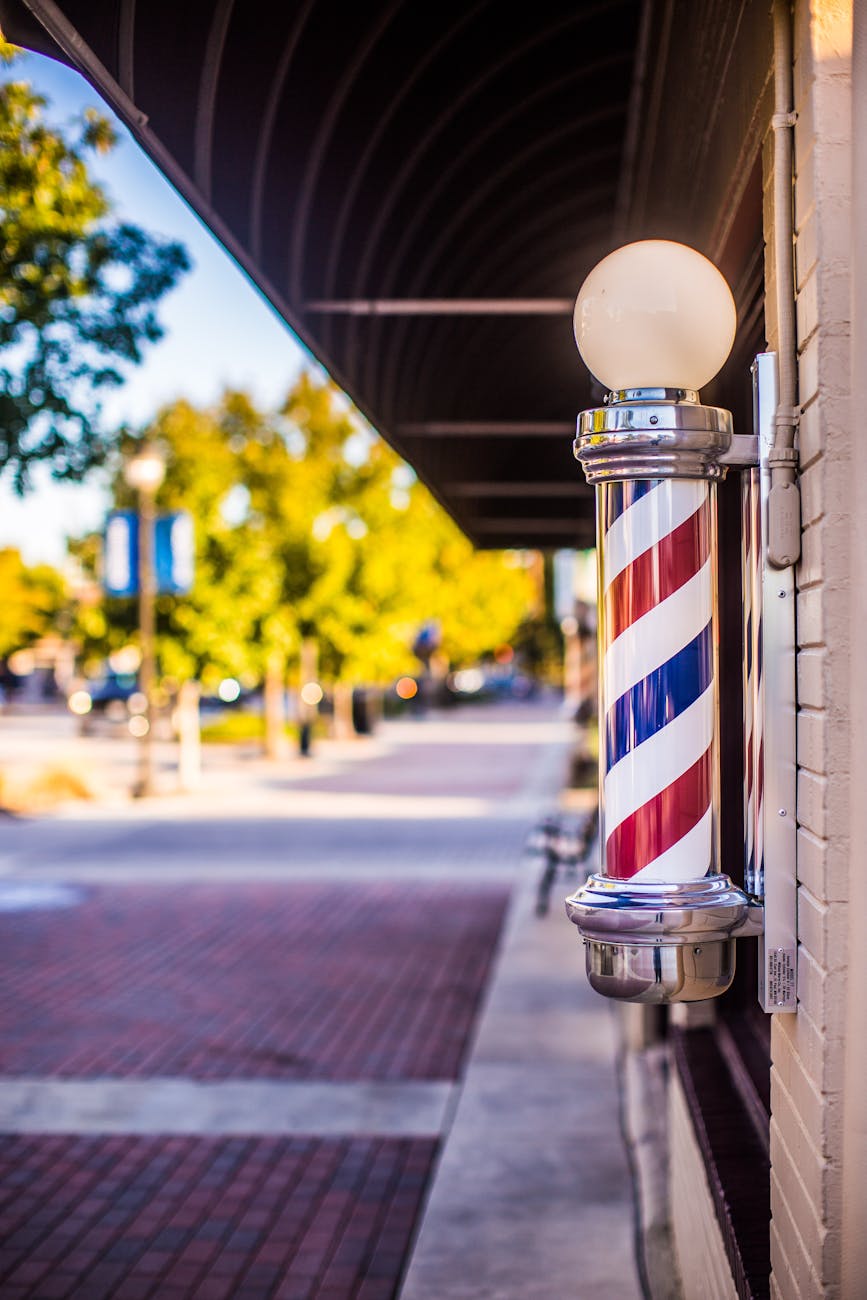
So I looked it up. Is there such a thing as trauma-informed barbershop work?
Turns out, also yes. There are programs like Barbershop Therapy, where barbers are trained in mental health basics and trauma-informed principles. Not to become therapists—but to hold space. To listen well. To notice signs. To connect folks with community resources. To be intentional about the care they’re already offering.
Barbershop Therapy: Conversations That Cut Through the Surface
Barbershops have long been community hubs, especially in marginalized communities. Recognizing this, initiatives like The Confess Project train barbers to be mental health advocates, equipping them with skills to support clients’ emotional well-being.
Core Components:
- Active Listening: Barbers are trained to listen empathetically, providing a non-judgmental space for clients to share.
- Mental Health Education: Understanding common mental health issues to recognize signs and provide appropriate support or referrals.
- Community Engagement: Hosting events and discussions to destigmatize mental health conversations within the community.
Such programs acknowledge the unique position barbers hold in their communities, often serving as confidants and informal counselors. By formalizing this role, barbers can become pivotal figures in promoting mental health awareness and support.
Trauma-Informed in Unexpected Places
And that’s when it hit me:
Trauma-informed care is happening all around us. Not just in therapy rooms. Not just in hospitals or schools. But in tattoo parlors. And barbershops. And coffee counters. And dog grooming salons. And checkout lines.
Sometimes it’s on purpose. Sometimes it’s instinct.
But either way, it matters.
I started making a list of places where trauma-informed care could show up more deliberately. I started writing little examples in my Notes app. I started noticing what made me feel safe, respected, and empowered—and what didn’t.
That list eventually became a series: Trauma-Informed in Unexpected Places.
The insights from trauma-informed tattooing and barbershop therapy underscore the importance of embedding trauma-informed principles across various professions. They exemplify how everyday interactions, when approached with empathy and awareness, can become avenues for healing and support.
As we continue to explore trauma-informed practices in unexpected places, these examples serve as powerful reminders of the impact of intentional, compassionate care.
What the Series Is (and Isn’t)
It’s not a rulebook. It’s not clinical. It’s not preachy.
It’s a collection of reflections, observations, and real-world applications of the six principles of trauma-informed care across 36 different professions. It explores:
- what safety and consent look like behind a salon chair
- how peer support shows up in breakrooms and bakeries
- what empowerment sounds like from a library clerk
- where mutuality shows up between delivery drivers and dispatch
Each entry draws from stories, research, and personal experience. It’s reflective. It’s emotional. Sometimes it’s messy. But it’s always rooted in the belief that care doesn’t have to be clinical to be real.
Where to Find It
Because this series has many layers, I’m publishing across several platforms. Each one gives you something different:
- Medium: Each week’s article will feature a local business or setting as a kind of case study to show what trauma-informed principles look like in real life.
- HubPages: A more factual approach, focusing on policies, research, and current trends in the profession, with guidance on how trauma-informed care can be implemented.
- Substack: Focused on the emotional side of things, reflecting on everyday experiences and the often-unspoken human stories.
- BKay’s Brain Blog: Where I share deeper thoughts behind the writing process, critiques, personal connections, and messy reflections.
- 29 Blooms: A home for concrete trauma-informed training tools and resource ideas, including outlines for profession-specific trainings that may not yet exist.
- Ko-fi and BlueSky: Visuals (illustrations), highlights from reader discussions, and featured comments. If you’d like to be featured, leave a public comment or tag me.
- YouTube (BKay’s Brain): Weekly long-form videos blend research, personal narrative, and practical applications. A YouTube Short every Friday by 5PM PST will reveal that week’s topic — sometimes with skits or roleplays to show trauma-informed strategies in action.
- Gumroad: Free and affordable companion resources may be shared here.
- Etsy and TPT: Related educational materials, handouts, and digital tools.
If you want to follow along, you can subscribe on Substack or bookmark bkaysbrain.com.
If you want to be part of the project—with your story, your field, or your insights—please reach out. I’m always listening.

 Welcome to BKay's Brain
Leave a comment